How Proper Installation Prevents Cracking and Settling
Choosing experienced local contractors ensures proper installation techniques that help prevent cracking and settling, resulting in a durable, long-lasting concrete driveway.
Understanding how proper installation prevents cracking and settling is essential for property owners seeking durable, long-lasting concrete driveways. Properly installed concrete can withstand the stresses of daily use and environmental factors, reducing the risk of unsightly cracks or uneven settling over time. For those in the area considering a new driveway or repairing an existing one, knowing that skilled local contractors prioritize correct techniques can provide peace of mind and help ensure the investment stands the test of time.
Property owners exploring this topic often want practical solutions to avoid costly repairs and maintain curb appeal. Local service providers specializing in concrete driveway installation understand the importance of proper site preparation, appropriate mixture selection, and correct finishing methods. By focusing on these key aspects, experienced contractors can help prevent issues caused by poor installation practices, making it easier to enjoy a smooth, stable driveway for years to come. Keep reading to learn more about how these expert techniques can make a difference.
- Concrete driveway installation services are essential when preparing a stable base to prevent cracking and settling over time, with local contractors emphasizing proper subgrade preparation. When a driveway shows signs of early cracking or uneven settling, local service providers focus on ensuring proper compaction and reinforcement techniques during installation. For properties with shifting soil or poor drainage, local pros can implement specialized methods to minimize movement and maintain driveway integrity. Homeowners seeking durable, long-lasting concrete driveways often turn to local contractors who prioritize accurate leveling and control joint placement. Proper installation techniques by local service providers help mitigate common issues related to cracking and settling, extending the lifespan of the driveway.

When people search for how proper installation prevents cracking and settling, they are usually looking to understand why some concrete surfaces develop issues over time. Cracking and settling are common problems that can compromise the appearance and functionality of driveways, patios, and walkways. These issues often happen when concrete is not installed correctly or if the underlying soil and base materials are not properly prepared. Homeowners want to know how choosing experienced service providers can help ensure their concrete structures remain durable and safe, avoiding costly repairs down the line.
Cracking typically occurs when the concrete experiences stress beyond its capacity, often due to improper mixing, insufficient reinforcement, or inadequate control joints. Settling happens when the ground beneath the concrete shifts or compacts unevenly, leading to uneven surfaces or cracks. Proper installation involves careful site preparation, such as thorough soil assessment and stabilization, as well as the correct placement of reinforcement materials like rebar or wire mesh. These steps help distribute loads evenly and prevent movement that causes cracks or settling, making the finished surface more resilient over time.
The types of properties that frequently require attention to proper installation include residential driveways, commercial parking lots, and public walkways. These surfaces are subjected to constant pressure from vehicles, foot traffic, and environmental factors like temperature changes and moisture. When local contractors follow best practices during installation-such as ensuring proper compaction, precise concrete pouring, and adequate curing-they significantly reduce the risk of future problems. Homeowners and property managers benefit from working with experienced service providers who understand how to tailor installation techniques to the specific conditions of each site.
Choosing qualified local service providers for concrete driveway installation is essential for preventing cracking and settling. These professionals know how to assess soil conditions, select appropriate materials, and execute each step of the process with precision. Proper installation not only enhances the longevity of the concrete but also saves money and effort by reducing the need for repairs or replacements later. Homeowners who prioritize quality workmanship and proper procedures can enjoy a durable, smooth surface that maintains its appearance and functionality for years to come.
Concrete slab leveling projects involve precise planning and skilled installation techniques similar to driveway installation, helping prevent cracking and settling issues.
Patio and walkway construction require proper subgrade preparation and reinforcement, aligning with best practices for durable concrete driveways.
Foundation and footing installations demand careful planning and adherence to structural standards, which are essential for preventing future cracking in concrete surfaces.
Garage floor pouring services utilize techniques to minimize cracking and settling, emphasizing the importance of proper installation methods used by local contractors.
Pool deck construction involves precise concrete placement and joint spacing, similar to driveway projects aimed at reducing cracking over time.
Retaining wall building projects often incorporate concrete elements that require careful planning and installation to maintain stability and prevent settling issues.
When evaluating service providers for concrete driveway installation, it is important to consider their experience with similar projects. Homeowners should inquire about the contractors’ track record in installing driveways that effectively prevent cracking and settling, as this indicates familiarity with the specific techniques and best practices needed for durable results. Contractors with a history of successful projects in the local area are more likely to understand the soil conditions and environmental factors that can influence how properly installed concrete performs over time. This experience can provide confidence that the driveway will be constructed with the appropriate methods to minimize issues related to cracking and settling.
Clear, written expectations are essential when comparing local contractors for driveway installation. Homeowners should seek detailed proposals that outline the scope of work, materials used, and specific steps taken to ensure proper installation. Having a comprehensive plan helps prevent misunderstandings and ensures that all parties agree on the standards necessary to achieve a long-lasting driveway. Well-defined expectations also make it easier to evaluate whether a contractor prioritizes proper techniques that reduce the risk of cracking and settling, such as proper subgrade preparation and joint placement.
Reputable references and good communication are key factors in selecting a reliable service provider. Homeowners are encouraged to ask for references from previous clients who had similar projects completed, especially those who experienced minimal cracking and settling. Listening to feedback about the contractor’s professionalism, responsiveness, and ability to address questions can provide insight into their commitment to quality work and customer satisfaction. Effective communication ensures that homeowners stay informed throughout the process, allowing them to address concerns early on and verify that the contractor is taking the necessary steps to ensure proper installation techniques that prevent future issues.
Property owners often search for how proper installation prevents cracking and settling when they are planning practical projects around their homes and businesses. Local pros provide Concrete Driveway Installation services for everyday jobs and straightforward project options.
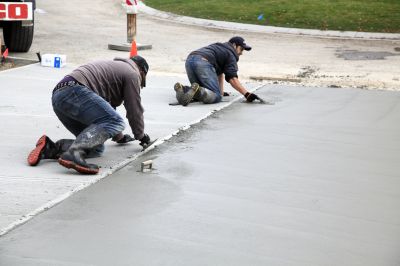
Proper installation of a concrete driveway is essential to prevent issues like cracking and settling over time. When local contractors carefully prepare the ground, ensure proper compaction, and use appropriate mixing and pouring techniques, the driveway gains a solid foundation that can withstand daily stresses. Properly installed joints and finishing methods also help control where cracks may form, reducing the likelihood of unsightly or damaging fractures as the concrete cures and settles.
Homeowners in the area often seek out experienced service providers to handle driveway installation because these professionals understand the importance of precise techniques. By relying on local contractors who prioritize proper installation practices, property owners can help extend the lifespan of their driveways and maintain a smooth, even surface. Ultimately, choosing skilled local pros for concrete driveway installation can make a significant difference in preventing common problems associated with improper setup.
How does proper installation help prevent cracking in a concrete driveway? Proper installation ensures appropriate surface preparation, reinforcement, and curing practices, which reduce stress and movement that can cause cracking. Local contractors follow these best practices to create a durable, crack-resistant driveway.
In what ways does proper installation prevent settling issues? Proper installation involves correct subgrade preparation and adequate soil compaction, which help support the concrete evenly and prevent uneven settling over time. Service providers can assess and prepare the site to minimize this risk.
Why is reinforcement important during concrete driveway installation? Reinforcement, such as rebar or mesh, distributes loads and minimizes the development of cracks due to shifting or settling, contributing to a longer-lasting driveway when installed by local professionals.
How does proper curing influence the prevention of cracks and settling? Proper curing maintains moisture and temperature levels during the initial setting phase, reducing shrinkage and cracking while ensuring the concrete gains strength to resist settling or movement.
Can the choice of materials affect how well a driveway resists cracking and settling? Yes, using high-quality materials compatible with local conditions helps improve the driveway’s ability to withstand stresses, especially when installed by experienced local service providers who select appropriate mixes and additives.
Proper subgrade preparation ensures the soil is stable and well-compacted, reducing the risk of uneven settling in the driveway.
Using control joints allows for controlled cracking, helping the concrete expand and contract without damaging the surface.
Choosing the right concrete mix can improve durability and minimize cracking caused by temperature changes or shifting soil.
Professional installation techniques by local contractors help ensure proper curing and reinforcement, preventing cracks and settling over time.
If you are thinking about how proper installation prevents cracking and settling for a property, this guide is meant to help you understand this topic, the typical project types, and how different options might fit your plans.
When you are ready, you can use the quote form on this page to share a few details about your project. From there, local pros can review the basics and follow up with options that match what you have in mind.